Every week, your PMs, supers, and schedulers lose the better part of two days to re-typing data, formatting reports, and chasing status. We put AI to work inside the workflows you already run — so that time goes back into building.
Industry research (FMI / PlanGrid, Construction Disconnected) found the average project team member loses 14+ hours a week — 5.5 of them just hunting for information — to non-productive admin, rework, and chasing data. You hired experienced people for their judgment. Then the paperwork swallowed them.
The same update gets typed into the schedule, the owner's portal, the weekly report, and a spreadsheet nobody admits to maintaining.
Half of every OAC prep day goes to hunting down what actually happened — calls, emails, texts, and "let me get back to you."
Your sharpest scheduler spends Friday reformatting the same narrative for three different audiences instead of analyzing the float.
The answer exists — in an RFI, a submittal log, or a daily report from four months ago. Finding it takes longer than the decision it supports.
None of this is judgment work. All of it is eating your margins. That's exactly where we start.
No moonshots. We start with the repetitive, high-volume tasks already eating your week. Here's the usual shortlist.
Turn a P6 or Excel update into a clean written narrative for the owner — drafted in minutes, edited by you.
Keep logs current and cross-checked without the Friday-afternoon data entry.
Assemble draws and reconcile the schedule of values from data you already have.
Rebuild the recurring owner-meeting deck automatically, so prep is review — not rework.
Roll field dailies into a weekly summary and flag what actually changed.
Ask across your RFIs, submittals, and daily reports and get the answer in seconds, not days.
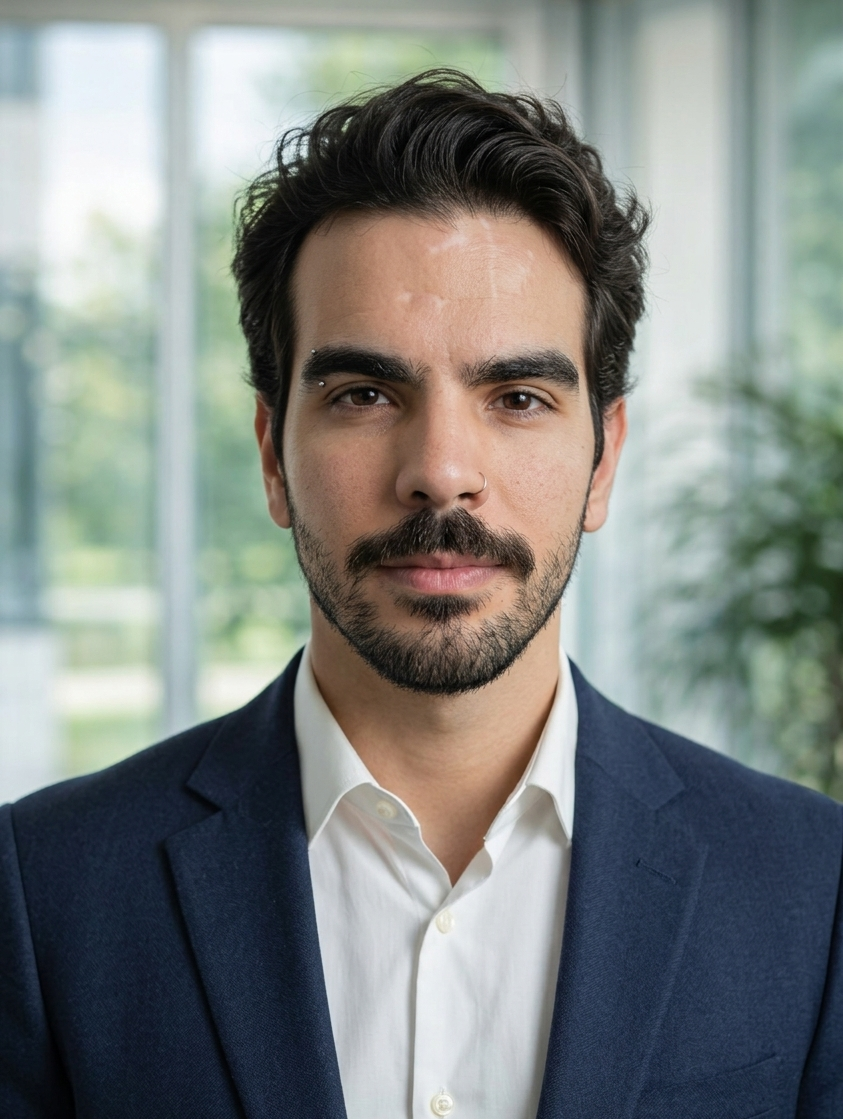
Angel Pans has spent a decade in construction scheduling and project controls — and is the developer behind Pathizer. Not a tech tourist: someone who has run the OAC meeting and shipped the code.
A decade built inside AECOM · Kauffman Lynn · Koman Holdings · WG Yates · Pathizer.
More about the founder →Every workflow we touch gets sorted into three lanes — before a single tool is picked. This is how AI helps a jobsite without anyone losing sleep over it.
High-volume, low-judgment work gets automated first.
AI surfaces what changed and what looks off. Your team confirms or corrects — nothing publishes itself.
Money, safety, contracts, and client relationships stay with your people. Full stop. No exceptions, no fine print.
We don't sell transformation decks. We fix one measurable workflow at a time, on live projects with your people — and you see proof in weeks, not quarters.
We map where your teams' hours actually go — walking your workflows, not auditing your org chart. You get a candid read on what's automatable and what isn't.
Leadership, field, and office agree on the two or three workflows worth fixing first — ranked by hours recovered, not by what's trendy.
We build on a live project with a real team — not a sandbox. Small scope, tight feedback, measured against the old way of doing it.
What proved out goes firm-wide, with training that respects how field people actually learn — shoulder to shoulder, not webinars.
We transfer the capability to your people as we go. The goal is that you stop needing us — and call back only when something new is worth doing.
Four ways to engage — from a first conversation about what's possible to a partner embedded in your growth.
A straight-talk working session on where AI actually fits your operation — and where it doesn't. You leave with a shortlist of real opportunities, not a hype reel.
We map your workflows end to end, find where the hours are leaking, and hand you a prioritized implementation roadmap you could execute with or without us.
One workflow, one team, one live project. We build, train, and measure — so the decision to scale is made on your numbers, not our slides.
We roll proven wins across projects and departments, stand up internal champions, and keep raising the bar as the tools evolve — until your team runs it without us.
Every engagement is scoped to your operation — headcount, project mix, and how far along you already are. One call is enough to give you a straight answer on fit and cost.
Get a straight answerBecause this isn't a software purchase — it's an implementation. Most tools die because they were bought top-down and dropped on the field. We start with the workflow, pilot with the actual team that owns it, and measure hours before anyone commits to scale. If a pilot doesn't pay for itself, we'll say so and stop there.
No — and we'd push back if that were the goal. The whole point is that experienced supers, PMs, and schedulers are too valuable to spend on copy-paste. AI takes the volume work; your people keep review and decisions. In our experience, the teams that adopt this keep the same headcount and take on more work.
If you have people spending hours a week on repetitive admin, you're big enough. Smaller firms often see faster payback because decisions are quicker and there's less process to untangle. The Workshop exists exactly for this question — a half-day tells you whether it's worth going further.
It stays yours. We work inside your existing accounts and environments, prefer tools with enterprise data controls, and put data handling in writing before anything is connected. Nothing gets used to train public models, and we'll walk your IT lead through every connection we propose.
If they can, they should — and our Roadmap deliverable is designed so your own people could run with it. But most IT teams know systems, not scheduling, OAC meetings, and pay apps. The wins come from knowing which workflow to fix and what the field will actually tolerate. That's construction knowledge, not tech knowledge.
The Workshop is a fixed fee. Everything beyond that is scoped to your size and how many workflows we touch — and you'll get a number after one conversation, not a discovery gauntlet. Call and ask; you'll get a straight answer.
Tell me about your operation — trade, headcount, and the workflow that's eating the most hours. You'll get a straight answer on whether we can help.
Based in South Florida · Working with teams nationwide